Cancer biology • Functional genomics • Retinal regeneration
Rod Bremner — Bremner Laboratory
We study the regulatory logic that partitions cancers into binary classes defined by YAP/TEAD activity, and apply functional genomics to discover therapeutic vulnerabilities. In parallel, we use retinal models to understand retinoblastoma and to search for protective and regenerative strategies for vision loss.
Research focus
Binary YAP classes • Functional genomics • Retinal disease
The lab integrates single‑cell and enhancer mapping with in vivo perturbations and high‑throughput screening to identify context‑specific vulnerabilities and therapeutic combinations.
Read research →Programmes
Four complementary research programmes
Binary YAP/TEAD pan‑cancer classes
Why does opposite YAP/TEAD activity define distinct cancer behaviours and vulnerabilities? How can we exploit binary YAP classes to stratify tumours and design targeted therapies?
View programme →02Functional genomics to reveal synergistic cancer therapies
How can systematic genomic perturbation and high‑throughput screening uncover combination therapies for aggressive childhood cancers such as retinoblastoma?
View programme →03Retinoblastoma origins and retinal regeneration
What intrinsic features of retinal precursors determine susceptibility to retinoblastoma, and how can retinal neurons be protected or regenerated?
View programme →04Enhancer, chromatin and transcriptional plasticity in cancer
How does reprogramming of enhancer landscapes drive oncogenic state changes and plasticity in tumours?
View programme →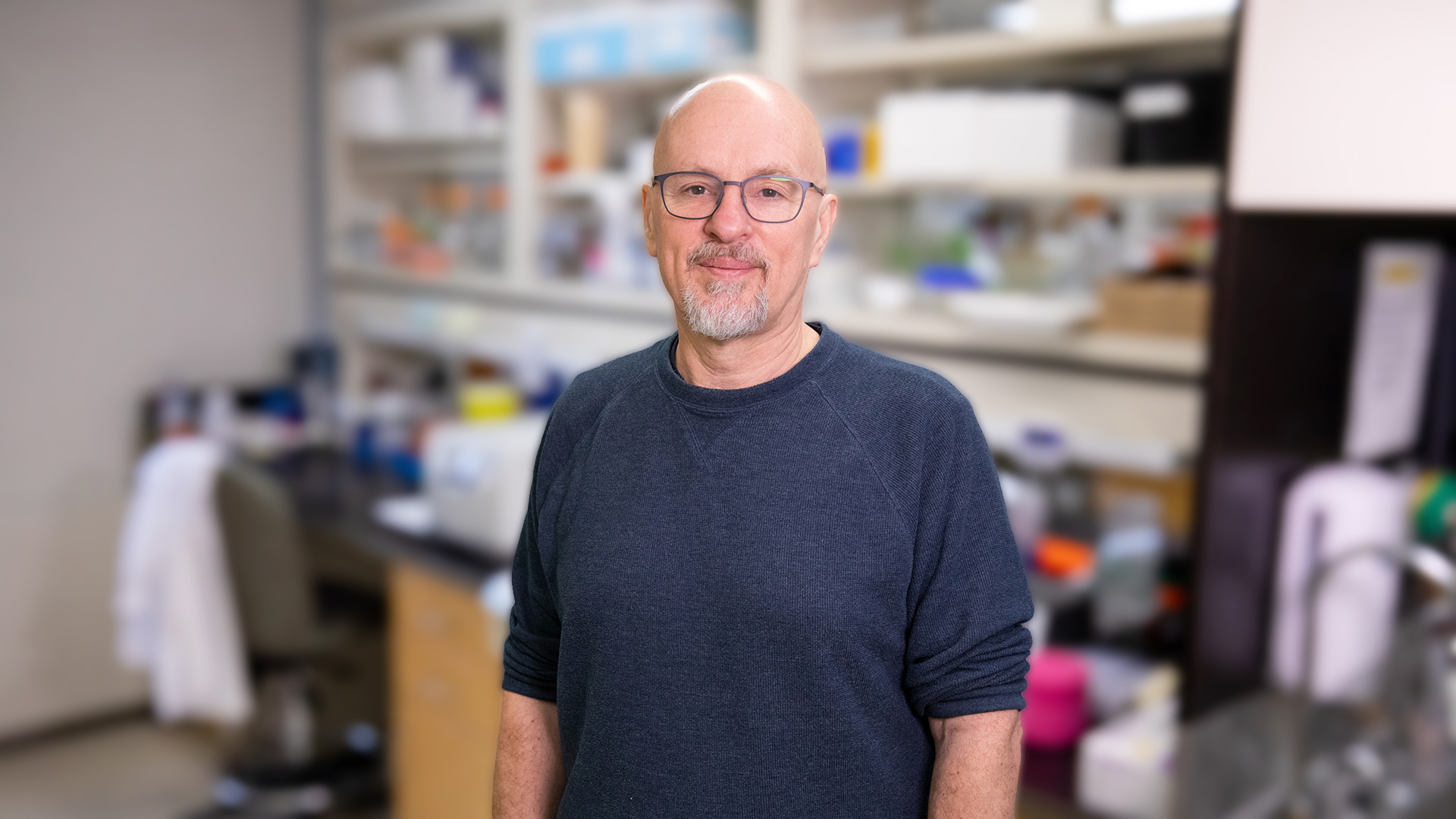
Principal investigator
Rod Bremner, PhD
Senior Investigator
Rod Bremner leads a laboratory at the Lunenfeld‑Tanenbaum Research Institute studying how enhancer reprogramming and YAP/TEAD activity stratify cancers and determine therapy responses, while pursuing regenerative approaches in the retina.
Full profile →Join the lab